

Coastal Wood Decor for Entryway: A Maritime Guide to Handcrafted Style
Ever walked into a cottage entryway and felt that first rush of salty air, the soft creak of wooden floors, and thought, "This could use a little more of that coast‑side charm?"
We’ve all been there – the coat rack is a jumble of metal, the wall looks bare, and the space feels more like a hallway than a warm welcome.
What if you could bring the breezy feel of a Nova Scotia shore right to your front door without a trip to the beach? That’s where coastal wood decor for entryway steps in, turning a plain passage into a little slice of maritime serenity.
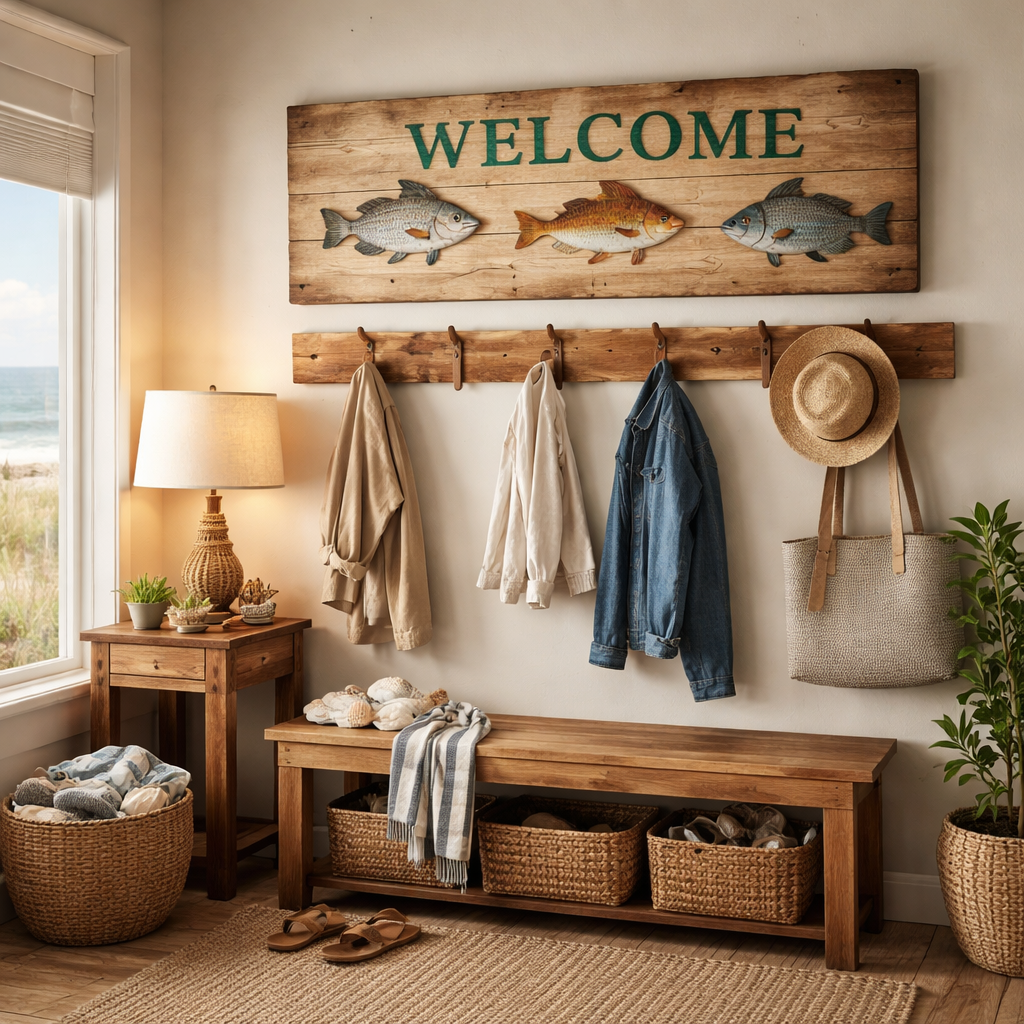
Imagine a handcrafted wooden sign that greets guests with a friendly "Welcome to Our Cottage" while sturdy hooks hold coats, hats, and umbrellas. The natural grain of Canadian pine, hand‑painted fish motifs, and laser‑etched lettering blend function with story‑telling – every piece feels like it was made just for your home.
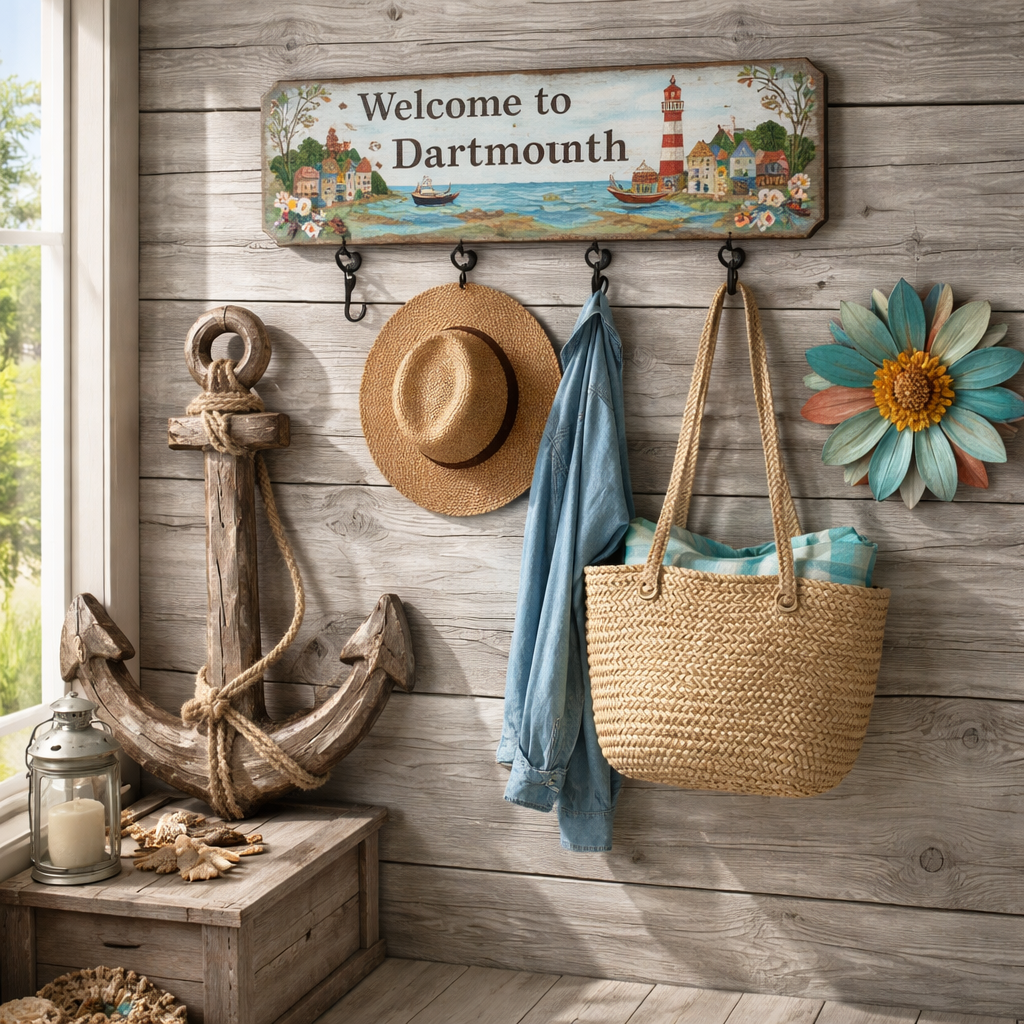
Or picture a rustic standing anchor, its solid pine body anchored (pun intended) with a coil of jute rope, standing proudly beside your door. It’s not just décor; it’s a nod to the maritime heritage that inspires us here in Dartmouth, and it doubles as a conversation starter for anyone stepping inside.
These pieces are more than accessories. They help you organize the chaos of keys and coats, add texture that brightens neutral walls, and infuse a sense of place that says, "You’re home, and the sea is just a step away." When you choose items that are hand‑crafted locally, you also support artisans who pour their love of the coast into every brushstroke and carve.
So, whether you’re a new homeowner eager to set the tone, a seasoned coastal grandmother looking to refresh the mudroom, or a thoughtful gift‑giver hunting for something that feels both personal and timeless, coastal wood decor for entryway can be your secret weapon.
Let’s dive in and explore how a few carefully chosen wooden accents can transform your entryway into a welcoming harbour.
TL;DR
Coastal wood decor for entryway transforms a plain hall into a welcoming harbour, blending hand‑crafted pine pieces with bright fish motifs and sturdy hooks for everyday use. Add one of our locally made signs or anchors, and you’ll instantly feel the maritime charm while keeping coats and keys tidy today.
Step 1: Choose the Right Wood and Finish
First thing’s first – you’ve got to feel the wood before you buy it. Imagine running your fingers over a piece of fresh‑sawn Canadian pine and hearing that faint, comforting creak that says, “I’m ready for a coastal story.” That moment of recognition is where the magic starts, because the grain you choose will set the tone for the whole entryway.
So, what makes pine the go‑to for coastal wood decor for entryway? It’s lightweight enough to handle everyday hooks and key trays, yet sturdy enough to weather the occasional splash of sea‑spray or the weight of a wet coat. Plus, the natural golden hue deepens beautifully when you add a finish, giving you that warm, weather‑worn look without the fake‑old‑house vibe.
Now, let’s talk finish. A hand‑waxed rustic coat preserves the wood’s natural texture while adding a subtle sheen that catches the light just right. If you’re after something a bit more polished, a low‑VOC oil sealant will enhance the grain and protect against moisture – perfect for a doorway that sees a lot of traffic. And for those who love a pop of colour, consider a lightly tinted marine‑blue wash; it’s like a nod to the Atlantic without overwhelming the natural wood.
Here’s a quick checklist to help you decide:
- Wood species – go for solid pine or cedar for authentic coastal vibes.
- Grain orientation – vertical grain makes hooks look seamless, horizontal adds a rustic board‑like feel.
- Finish type – wax for soft glow, oil for durability, or a marine‑blue stain for a splash of colour.
- Maintenance – wax can be refreshed annually; oil may need re‑application every 2‑3 years.
And because a sign often becomes the centerpiece, why not pair it with something that already proves the concept? Check out our Welcome to Our Cottage Folk Art Sign with 4 Hooks – it’s handcrafted, laser‑engraved, and painted with fish motifs that scream maritime charm while giving you built‑in storage.
Does the wood you choose need to match your flooring? Absolutely. Coordinating a reclaimed pine sign with a warm hardwood floor creates a seamless flow that feels intentional, not an after‑thought. If you’re planning a full makeover, a local flooring specialist can help you pick a shade that complements the wood grain. The folks at hardwood flooring experts often recommend medium‑tone oak or maple for that coastal warmth.
Lighting is the unsung hero of any entryway. A well‑placed LED fixture can highlight the natural patterns in your wood and make the finish pop, especially in the early evening when you’re greeting guests. For a touch of drama, think about accent lighting that mimics the soft glow of a lighthouse. Our friends at high‑end outdoor lighting have some great options that won’t clash with the rustic vibe.
When you’ve settled on the wood and finish, give yourself a moment to picture the final look. Picture the pine sign hanging just beside the front door, the natural light streaming in, the finish catching a glint, and the sturdy hooks holding a coat, a hat, maybe a surfboard strap. That mental snapshot will guide you through any hesitation.
Finally, remember that coastal wood decor for entryway isn’t just about aesthetics – it’s about durability. Choose a finish that can stand up to salty air, occasional rain, and the daily hustle of keys and umbrellas. A quick wipe‑down with a damp cloth and a fresh coat of wax every season will keep it looking fresh for years.
Ready to start? Grab a piece of pine, pick your favourite finish, and let the wood tell the story of your own little harbour.
Step 2: Design a Layout That Echoes the Atlantic Coast
Coastal entryways aren’t just about one wow piece; they’re a chorus of textures, light, and flow. In our Dartmouth workshop, we see the same truth over and over: when the layout mirrors the coast, the space feels welcoming and calm.
So, what should you do first? Let’s map out the entry and pick a focal point that acts like a lighthouse for the rest of the pieces.
Anchor the first impression with a coastal focal piece
Choose a focal item that tells your coast story—our Rustic Standing Anchors or a hand-carved cottage sign with hooks are great examples. Place it on the main wall closest to the door so guests see it as soon as they step in. The anchor’s vertical presence creates a natural move to the surrounding accessories.
From there, you can build a balanced vignette that feels deliberate rather than cluttered. Imagine one tall piece anchored by lighter accents at eye level, then a couple of smaller items tucked nearby. It’s like arranging a tide pool—every piece has a story, and together they read as one cohesive scene.
Layer textures and finishes like a shoreline palette
Mix light wood with weathered greys, whitewashed walls with soft blues, and natural fibers. A driftwood finish on a bench or wall panel harmonizes with brass or brushed nickel hardware for a maritime vibe. In our experience, a pine plank with a drift‑wood grey stain pairs beautifully with rope‑tied accessories and a jute rug—it feels coastal without shouting.
Does this really work in a small entryway? Yes, by keeping the palette cohesive and using vertical display to draw the eye upward.
Plan zones for function and flow
You’ll want a seat, a coat area, and a small display to tell the story. Place a slim console under a vertical mirror to bounce light. Hooks should be grouped in threes or fours for visual rhythm. Our advice: reserve the center for a strong piece, with lighter, functional items around it.
- Check door swing and ensure no piece blocks path
- Keep enough clearance for daily coats
- Use a rug to define the entry zone
- Test scale with cardboard cutouts before buying
Here’s a quick mental image: a drift-grey plank wall, a sturdy pine bench, a coastal anchor on the wall, and a few hand-painted hooks catching the late afternoon light. It sounds simple, but it creates that Maritime welcome we associate with Nova Scotia craftsmanship.
For broader inspiration on coastal entryways, Jane at Home highlights layering textures and light to create a welcoming foyer. coastal entryway ideas.
At Atlantic Wood N Wares, we love helping you realize this look with pieces that are hand‑crafted in Dartmouth, Nova Scotia. A few anchors or a cottage sign with hooks can anchor the space and set the tonal mood for the rest of your entryway. If you’re updating for a New Home milestone or gifting a coastal enthusiast, our Canadian-made options feel like they were made just for your doorway.
So, what’s your first move? Sketch a quick plan tonight, then pull the pieces together this weekend. We’ll be here to help you pick finishes that match the light and the salt air, and to suggest pieces that fit the scale of your entryway. Let’s design a harbor‑worthy entry that welcomes every visitor with a true Maritime touch.
Step 3: Hand‑Paint Details That Capture Sea‑Side Mood
Alright, you’ve chosen the wood and mapped the layout – now it’s time to paint the mood onto the surface.
Think about the moment you first smelled salty air on a Nova Scotia dock. That breezy, slightly muted palette? We want to bottle that feeling in every brushstroke.
Start with a colour story, not a colour list
Instead of scattering every shade of blue you own, pick one anchor hue – maybe a soft sea‑foam or a weathered lighthouse grey – and let the rest play off it. A single dominant colour keeps the piece from feeling chaotic, while a few accent pops (think coral‑red barnacle or muted mustard sand) add visual interest.
Grab a small swatch of paint and dab it on the back of a scrap board. Hold it up to the natural grain; does it whisper “coast” or shout “paint‑store‑sale”? If you’re not sure, let the wood breathe for a minute, then decide.
Layer like tide pools
Coastal scenes aren’t flat; they’re made of layers of water, rock, and sky. Replicate that by applying paint in thin washes. A quick tip: dilute your Benjamin Moore Aura paint with a touch of water (about 10 % water) and brush it over the wood with a soft‑bristle brush. The colour will settle into the grain, creating a natural‑looking wash.
Once the wash dries, add a second, slightly darker glaze to the low‑points – the crevices where waves would lap. This subtle depth tricks the eye into seeing texture without carving more wood.
Hand‑paint motifs that tell a story
Fish, shells, and tiny rope knots are the language of the sea. Keep them simple; a single silhouette of a cod or a stylised starfish can speak louder than a crowded scene. Use a fine‑point brush and a steady hand – or, if you’re nervous, practice on a cardboard cut‑out first.
Remember, imperfections are part of the charm. A wobble in a fish tail or a slightly uneven line feels hand‑made, just like the waves are never perfectly smooth.
Seal the mood without sealing out the feel
After the paint cures (24 hours is a safe bet), protect it with a marine‑grade polyurethane. It guards against coat hooks, wet umbrellas, and the occasional splash of sea‑spray that drifts in on a windy day.
A thin, matte top‑coat preserves the soft look you worked hard to achieve. If you prefer a subtle sheen, go for a low‑gloss finish – it catches the light just enough to mimic the gentle sparkle of water at dusk.
Practical checklist for your hand‑painting session
- Choose one base colour that evokes the coast.
- Dilute paint for a wash; apply in thin layers.
- Add darker glazes to low‑points for depth.
- Hand‑paint simple motifs (fish, shells, rope).
- Let each layer dry completely before moving on.
- Finish with a marine‑grade polyurethane, matte or low‑gloss.
Does this feel doable? Absolutely. The key is to treat each step like a small tide – gentle, patient, and consistent.
When you step back and see that hand‑painted fish shimmering against a drift‑wood grey, you’ll know you’ve captured the seaside mood without ever leaving your entryway.
So, grab your brush, breathe in that salty memory, and let the wood tell its own coastal story. Your entryway will thank you, and every guest will feel like they’re stepping onto a quiet Nova Scotia shore.
Step 4: Install with Authentic Maritime Craftsmanship
Okay, you’ve picked the wood, mapped the layout, and painted the mood. Now the real magic happens, installation that feels like it was carved by Atlantic tides themselves. In our Dartmouth workshop, we’ve learned that the right mounting method makes coastal wood decor for entryway sing for years, not weeks.
Let’s get practical. Start by prepping the space: protect the floor, test humidity, and check door swing so nothing rattles or scrapes as you hang. A simple drop cloth, painter’s tape, and a damp rag are your friends here. It’s the small details that keep your finish pristine after a busy winter where the salt air sneaks in.
Choose your mounting method
Heavy focal pieces like an anchor or a cottage sign deserve a robust system. We lean toward a sturdy French cleat or a concealed hanging rail secured to studs. For lighter pieces, a set of coastal-grade screws with plastic anchors can work well on drywall. Use corrosion-resistant hardware — brushed brass or stainless steel — to stand up to the humidity Nova Scotia summers bring. And yes, measure twice, drill once.
Mount the focal piece first
Place the main statement piece at eye level near the door so guests read the story as soon as they enter. We usually level it with a laser or a simple spirit level, then mark pilot holes. Once it’s securely anchored, the rest of the vignette falls into place like a steady tide pooling around a rock.
Layer the rest with rhythm and texture
Group hooks in odd numbers, vary heights, and balance light and dark finishes. A pine bench or wall panel can anchor sofas or plant stands in the mini-harbor you’re building. Remember: keep space for coats, bags, and little ones’ footwear; you don’t want a cramped entry that blocks the flow.
Seal, finish, and breathe easy
Finish the edges where needed with a thin coat of marine-grade polyurethane if you’re worried about wear from umbrellas and rain. Let the piece cure for at least 24 hours in a dry, ventilated space before adding heavy items. In damp rooms, a quick wipe-down every week will keep mildew at bay and preserve your hand-painted details.
Does this really work? In our experience, yes. A properly installed focal piece creates the sense of a harbor-view that lasts, even on Monday mornings when the tide of chores comes rolling in.
And if you want a little context on how pros balance coastal aesthetics with practical install, this coastal entryway ideas guide offers useful perspectives. coastal entryway ideas.
One more practical tip: label your hardware and keep a tiny toolkit handy. If you’re swapping pieces seasonally, use removable mounting plates so you don’t ruin the wood.
This is where Atlantic Wood N Wares shines — we build in Dartmouth, using Canadian pine and hand-painted details that endure Nova Scotia humidity.
If you want more inspiration on balancing coastal elements, that guide provides helpful perspectives.
Step 5: Compare Top Coastal Wood Decor Options
Now that you’ve got your wood, finish, and layout sorted, it’s time to look at the actual pieces you might bring home. Below is a quick side‑by‑side look at three crowd‑pleasers that keep the Atlantic vibe alive without crowding the entryway.
What to weigh when you compare
Think about three things first: how the piece handles moisture (Nova Scotia air can be sneaky), the visual weight it adds to a small foyer, and whether it doubles as storage. Those three questions will narrow the field faster than a tide‑pull.
Does this really work? In our experience, yes – a well‑chosen focal piece can turn a hallway from “meh” to “maritime welcome mat” in minutes.
Top Picks
| Option | Key Features | Ideal For |
|---|---|---|
| Hand‑painted Folk Art Sign with Hooks | Laser‑engraved greeting, four sturdy hooks, hand‑painted fish motifs, marine‑grade polyurethane finish. | Entryways that need both a warm welcome and a place for coats, hats, and keys. |
| Rustic Standing Anchor | Solid pine, hand‑painted with fade‑resistant Benjamin Moore Aura paints, authentic jute rope, laser‑engraved “Nova Scotia”. | Spaces that want a vertical focal point – think narrow hallways or beside a console table. |
| Handcrafted Wooden Flower | Premium Canadian pine, vibrant tropical palette, exterior‑grade paint, sealed for year‑round indoor/outdoor use. | Those who love a pop of colour and want a decorative accent that still feels coastal. |
Each of these options was crafted right here in Dartmouth, so you’re supporting local artisans while getting a piece that’s built for our climate.
So, which one fits your story? If you’re the “Coastal Grandmother” who loves a practical greeting, the folk art sign is a no‑brainer. If you’re leaning toward a bold statement that still whispers maritime heritage, the anchor brings height and history. And if you’re after a splash of colour that feels like a sunrise over the Bay of Fundy, the wooden flower does the trick.
One more thing to keep in mind: durability. All three are finished with marine‑grade polyurethane, but the anchor’s larger surface area means you might want to keep an eye on the rope’s wear over time. The sign’s hooks are reinforced with stainless steel, which holds up even when you’re juggling wet umbrellas.
Need a little extra inspiration? A quick look at a coastal‑entryway ideas guide shows how mixing these pieces can create rhythm and balance – the anchor anchors, the sign greets, the flower adds surprise.coastal entryway ideas.
Here’s a quick checklist to help you decide:
- Moisture resistance: all three have marine‑grade finishes, but the anchor needs occasional rope check.
- Storage needs: the sign wins with built‑in hooks.
- Visual impact: the anchor adds height; the flower adds colour.
Picture this: a drift‑grey plank wall, the Rustic Standing Anchor perched beside a slim console, the Hand‑painted Folk Art Sign centered above a small bench, and a burst of tropical flower tucked on the opposite side. The result? A welcoming harbour that feels lived‑in, not staged.
Step 6: Seasonal Styling & Refresh Ideas
Seasonal shifts are the perfect excuse to fall in love with your entryway all over again. It’s the first thing guests see, and it should feel fresh without being fussy. Let’s keep it simple, local, and truly coastal.
First up, give your pine plank wall or bench a season-friendly color wash. Mix one part stain with nine parts water for a light, translucent layer. Pick sea-foam, driftwood grey, or a soft pebble blue. Apply with a wide brush, follow the grain, and wipe away the excess. Dry thoroughly, then seal with marine-grade topcoat for durability in Nova Scotia humidity.
Next, refresh with hand-painted details aligned to the season. In spring and summer, keep motifs light—shells, fish silhouettes, rope knots. In winter, simplify with crisp edges or a pale blue wash in crevices. You don’t repaint every piece; you add or tone, letting a piece like our Welcome to Our Cottage Folk Art Sign with 4 Hooks or Rustic Standing Anchor read as a cohesive coastal vignette.
Update textiles and greenery to cue the calendar. A tropical wood flower feels sunny on hot days; a dried eucalyptus sprig or pine bough signals the holidays. Layer a tactile rug in jute or sisal, swap cushions, and wrap a lightweight rope garland around hooks. The goal is texture and color, not a full redesign.
Lighting and hardware matter, too. Swap in warmer bulbs for autumn evenings, or adjust a wall sconce so it highlights a carved sign. Brass hooks glow with coziness; brushed nickel reads clean and coastal. Keep hardware finishes in harmony with the wood finish for a look that lasts year round.
Maintenance matters as you refresh. Reapply a marine-grade polyurethane if you live in a humid climate, and wipe surfaces to remove fingerprints after busy weeks. Small tweaks keep your space from feeling tired without a major overhaul.
Fast refresh checklist: swap a color wash, update seasonal motifs, introduce a seasonal wooden flower or greenery, switch in a seasonal rug, and adjust lighting. So, what will you refresh first?
As a Nova Scotia maker, we love helping you craft a harbor-worthy entry. Our hand-painted folk art signs, rustic anchors, and tropical wood flowers are designed to mix with the seasons while staying true to your coastal story. For mood inspiration, see coastal decor ideas from Martha Stewart.
FAQ
What type of wood works best for coastal wood decor for entryway?
We usually recommend Canadian pine because it’s lightweight, takes stain or paint well, and handles the salty Maritime air without warping. Look for a clear‑grain board, sand it smooth, and test a small patch of your finish in the actual light of the entry. If you’re after a darker, weathered look, a reclaimed pine slab can add authentic drift‑wood character while staying sturdy enough for daily hooks and coats.
How can I protect coastal wood decor for entryway from humidity and wear?
Apply a marine‑grade polyurethane or a penetrating oil that repels moisture; both seal the grain while letting the wood breathe. In Nova Scotia’s humid seasons, a two‑coat system—stain first, then a top‑coat—gives colour depth and a protective barrier. Wipe the surface with a damp cloth weekly and re‑coat any high‑traffic spots, like the area around hooks, every 12‑18 months to keep the finish looking fresh.
What are easy ways to style a small entryway with coastal wood decor?
Start with one focal piece—like a hand‑painted folk‑art sign with hooks—then layer complementary items. Add a jute rug, a narrow pine bench, and a few rope‑tied accessories. Keep the colour palette limited to sea‑foam, drift‑wood grey, and a pop of coral or turquoise. Group hooks in odd numbers, and use vertical space for a small wooden anchor or wall‑mounted shelf to avoid crowding the floor.
Can I swap seasonal accents without damaging the wood?
Yes, if you use removable mounting plates or picture‑hanging strips that won’t pull paint away. Swap out seasonal motifs—think shells in summer, pine boughs in winter—by attaching them with small hooks or clips. Because the underlying wood is sealed, you can change textiles, rugs, and décor pieces as often as you like; just give the surface a quick wipe before re‑hanging to keep dust from scratching the finish.
How do I incorporate lighting to enhance coastal wood decor for entryway?
Warm‑white LED bulbs in wall sconces or a pendant over the sign highlight the grain and hand‑painted details without overpowering the space. Aim the light at about a 30‑degree angle so shadows bring out texture. If you have a small entry, a single adjustable plug‑in lamp with a brushed‑nickel base can add a soft glow that makes the wooden pieces feel welcoming even on overcast days.
Is it okay to mix metal hardware with wooden coastal pieces?
Mixing brass, brushed nickel, or aged iron with wood is actually a hallmark of Maritime style. Choose hardware that echoes the finish of your wood—matte oil pairs nicely with brushed nickel, while a glossy oil finish can handle polished brass. Make sure the metal is corrosion‑resistant; stainless steel or marine‑grade brass won’t rust in the salty air, keeping your entryway looking polished year after year.
How often should I refresh my coastal wood decor for entryway?
A quick seasonal refresh—swap a colour wash, update a rug, or add a new wooden flower—keeps the look lively without a full remodel. In practice, aim for a light update every 3‑4 months and a deeper maintenance check once a year, where you sand lightly, touch‑up any chips, and reapply a fresh coat of marine‑grade sealant. This routine extends the life of your pieces and maintains that fresh‑cottage vibe.
Conclusion
After walking through the steps, you’ve seen how a few thoughtful pieces can turn a plain hallway into a welcoming harbour.
So, what’s the next move for your own entryway?
Start with the wood you love – Canadian pine that ages gracefully in our salty Maritime air – and choose a finish that matches the light, whether that’s a clear oil for a breezy feel or a matte polyurethane for busy families.
Lay out your focal piece first, then sprinkle in hooks, a bench, or a hand‑painted flower, always keeping the scale in check so the space breathes.
When the seasons shift, a quick colour wash or a new rug is enough to refresh the look without a full remodel; a light sanding and a fresh coat of marine‑grade sealant will keep everything looking crisp year after year.
If you’re after a piece that’s already crafted to those standards, our Atlantic Wood N Wares collection offers hand‑painted folk‑art signs with sturdy hooks and rustic standing anchors that blend function and maritime charm.
Beyond the aesthetics, choosing locally‑made, sustainably sourced wood supports Nova Scotia artisans and reduces the carbon footprint of your décor – a win for your home and the community.
Remember, coastal wood decor for entryway is less about perfection and more about the story you invite guests to read each time they step inside. Keep it simple, keep it personal, and enjoy the tide of pride that comes with a space you built with your own hands.


