

Choosing the Best Wood for an Outdoor Garden Bench: A Coastal Craftsmanship Guide
Weatherproof wood makes or breaks an outdoor garden bench. The best wood for outdoor garden bench is the one that lasts in your climate, not the one that looks best in a showroom. In Nova Scotia, you want a wood that shrugs off rain and salt while aging to a warm, honest look.
Popular picks here are cedar, teak, eucalyptus, and sturdy pine with a good seal. Cedar resists rot and weathers with pride. Teak lasts a long time but costs more. Pine keeps the price down if you seal it well and treat it every year.
Finish matters. A good outdoor sealant, plus a simple design, makes care easy. Keep cleaning and re-sealing routine so your bench keeps its shape for years. Our Dartmouth workshop leans on durable, locally sourced pine for outdoor pieces and finishes them to survive Maritime weather.
For a visual sense of outdoor wood decor, see Handcrafted Wooden Flowers for Walls, Shelves & Gardens.
Does this apply to real benches too? Yes. Choose one wood, finish it, and live with it. The coast will tell you if you picked the right one.
To get a broader sense of weather-ready wood in coastal spaces, check this guide: Buying a Pontoon Boat OK: 7 Essential Tips for Choosing the Right Vessel.
Why Wood Matters: Durability, Aesthetics, and Maritime Feel
When you pick wood for a garden bench, you’re not just buying a seat – you’re choosing how long it will stay solid in salty air.
White cedar, for example, resists moisture and bugs almost on its own. The Cedar Creek guide notes it “offers natural weather resistance” and ages to a soft gray if you skip sealant (source). Teak lives even longer but asks more cash. Pressure-treated pine can work if you seal it every spring.
Look at the grain. Cedar’s light tone and straight lines match a dock‑side porch, while teak’s deep amber gives a richer feel. Both develop a mellow patina that feels like a story written by the sea.
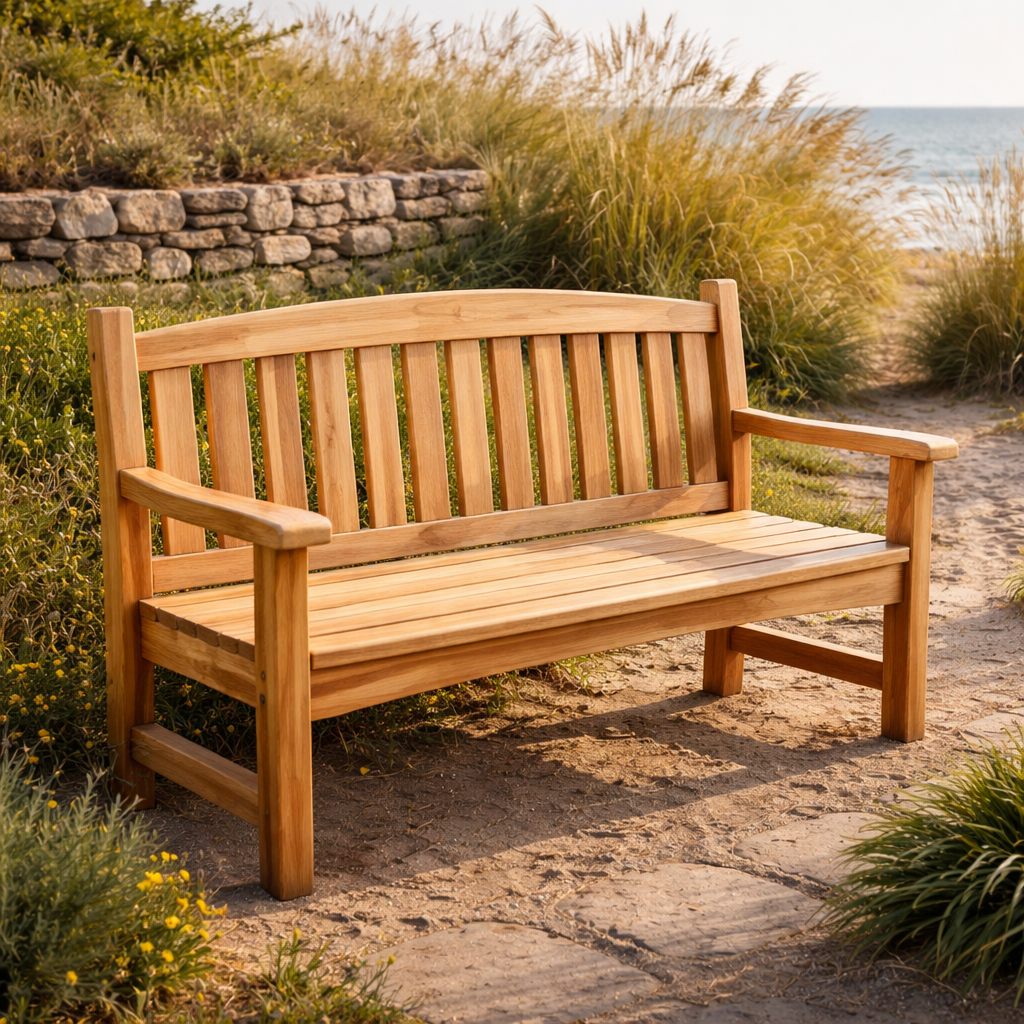
For a true Maritime vibe, let the wood breathe. Choose a piece that shows the knotty texture you’d find in a ship’s hull. Pair it with rope‑tied accents or a simple brass screw to echo lighthouse hardware.
Here’s a quick three‑step plan:
- Pick a wood that the local weather loves, cedar or teak are safe bets.
- Apply a clear, oil‑based sealant once a year; sand lightly before you coat.
- Wipe off salt spray with fresh water and a soft brush after storms.
Pro tip: use a simple moisture meter before you seal. Wood that reads below 12 % will take the finish evenly.
Ask yourself: does the bench still feel warm after a week of rain? If it does, you’ve nailed the finish. If not, a second coat will lock in protection.
If you want a ready‑made example, the local shop Light House Co. displays cedar benches that already have the right finish. Seeing one in person helps you gauge how the grain will look in your own garden.
Bottom line: the best wood for outdoor garden bench isn’t the flashiest, it’s the one that fights the tide, looks good as it ages, and lets you sit with a sense of place.
Top Wood Options for Your Garden Bench
When you pick wood for a garden bench, you want it to stay strong, look good, and fit the salty air of the Maritimes. Below are six woods that check those boxes.
1. White cedar
White cedar is a budget‑friendly favorite. It naturally resists moisture and bugs, so you can skip a lot of chemicals. A quick wash and a light coat of oil every spring keeps it bright; left alone it will turn a soft gray that many folks love.
For proof, see the Cedar Creek guide that calls white cedar “a top contender” for outdoor benches (white cedar’s natural weather resistance).
2. Teak
Teak is the gold standard if you don’t mind the price. Its oils stay inside the wood, giving it years of strength even without sealant. A bench made of teak will last decades and develop a warm amber patina.
3. Redwood
Redwood offers a rich red hue that fades to a gentle gray. It resists rot well, but like cedar it needs a yearly wipe‑down and a light seal to keep colour longer.
4. Acacia
Acacia is hard and bright. It works well for a modern look. Regular oiling stops it from drying out; if you let it age, it gets a deep, honey‑tone patina.
5. Ipe (Brazilian walnut)
Ipe is almost a steel of wood. It’s super dense, so it stands up to wind and rain with little care. A dab of wood oil once a year keeps the original color; otherwise it turns a sleek gray.
6. Pressure‑treated pine
Pine is easy to find and cheap. When it’s pressure‑treated and sealed each spring, it can hold up in a garden for years. Watch for cracks and sand any rough spots before you seal.
Quick tip: run a moisture meter on any wood before you seal. Anything under 12 % moisture will take the finish evenly.
Imagine you’re building a bench for a seaside porch. Choose white cedar for a soft look, or teak if you want a richer tone and can spend a bit more. Either way, a yearly oil or seal keeps the wood happy.
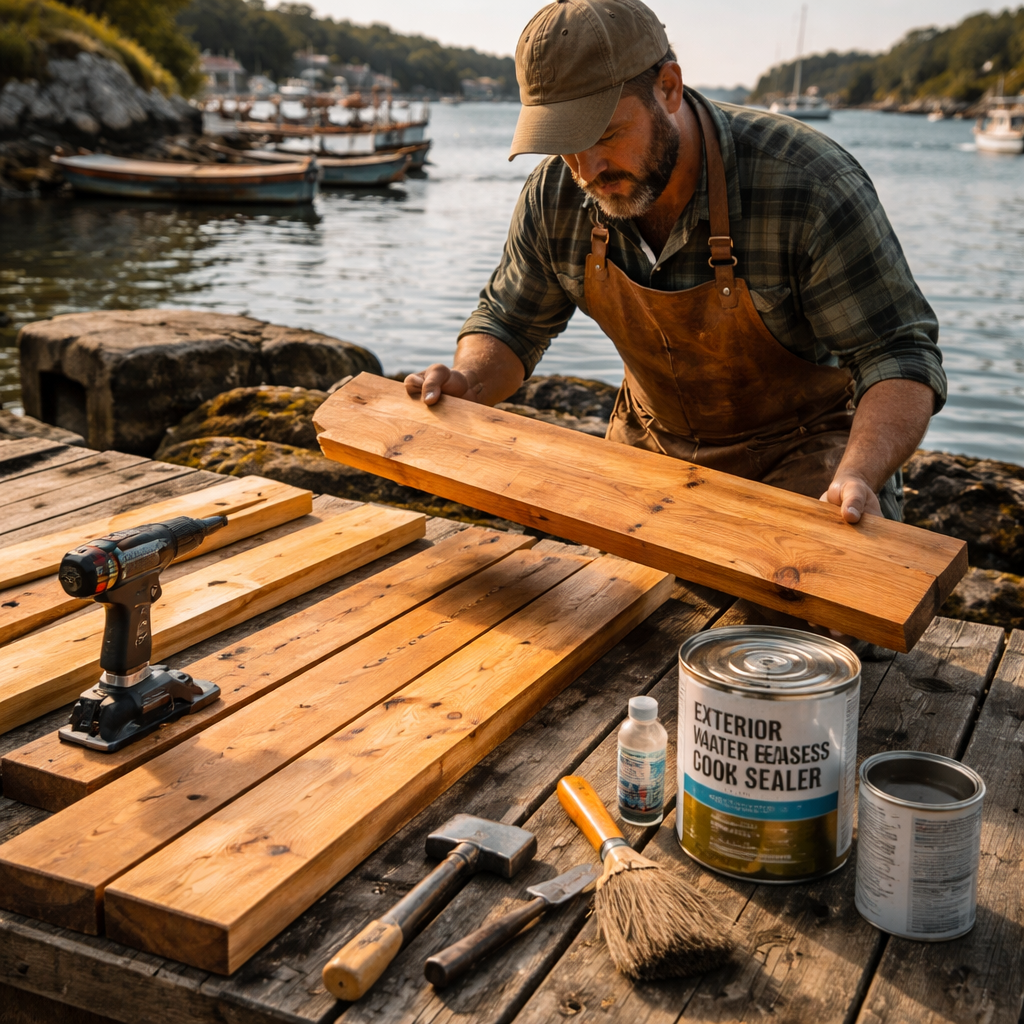
Comparing the Best Choices: Cedar, Teak, and Canadian Pine
Three wood stars make up the go-to list for outdoor benches here in the Maritimes: white cedar, teak, and Canadian pine. They each play a different card. Let’s look at how they stack up in real life use.
White cedar holds up well in damp air and salty spray. It resists rot and bugs more than you’d expect. It ages to a soft gray if you skip the coat, which some folks actually like. It’s also easier on the budget than teak.
Teak is the long-haul pick. It resists the weather and keeps its color for a long time. It does cost more upfront, but you’ll often spend less on upkeep. If you want a rich, warm look, teak wins.
Canadian pine, when it’s pressure-treated, gives a solid, budget-friendly option. It needs a yearly seal and a quick check for cracks. If you seal it well, it can last several seasons in a garden or porch.
So, what should you pick for your porch by the harbor? If you want a balance of price and low fuss, white cedar is a strong choice. If you’re set on long life with a premium look, teak is your best bet. If money is tight, pine will work with regular care. For Maritime readers, Cedar Creek notes white cedar’s natural weather resistance, a fact you’ll feel in the long run. See their guide for details.
| Feature | White Cedar | Teak | Canadian Pine |
|---|---|---|---|
| Durability in coastal weather | Good natural resistance to moisture and decay | Excellent; high oil content | Fair to good with proper sealing |
| Maintenance | Light; clean and re-seal as needed | Minimal | Annual seal; watch for cracks |
| Cost | Low to moderate | High | Low |
| Appearance over time | Turns soft gray if untreated | Rich amber patina | Finish varies with seal |
For more on this topic, see Cedar Creek's guide on best wood for outdoor benches. Best wood for outdoor benches.
Another take you might find useful: White cedar benefits for coastal settings.
How to Choose the Right Finish for Coastal Weather
Coastal weather is tough on wood. Salt spray, sun, and wet seasons all take a toll. A good finish is the best shield for a garden bench in Nova Scotia.
Two finishes stand out: water-based sealants and oil-based sealants. Each fits different needs. Here’s how to pick what works for you.
Water-based sealants
Water-based sealants dry fast and protect against UV. They keep the wood’s color close to its natural look and are easy on the lungs and the wallet. They’re low in fumes and clean up with soap and water.
They’re a breeze for quick coastal jobs, especially if you want to refresh color after a season without a long dry time.
Oil-based sealants
Oil-based sealants soak in deeper, offering solid moisture protection and a warm amber tone as they age. They resist moisture well in salty air and windy spots. They do take longer to dry and require solvents for cleanup, but they often outlast simple water-based coats in harsh conditions.
Oil-based finishes are a solid choice for benches that face frequent rain, spray, and freeze-thaw cycles. The extra effort pays off with fewer cracks and a longer life.
Match to your climate and needs
In the Maritimes, a common approach is to use both: a light water-based layer for UV protection and a durable oil-based layer for moisture defense. This combo works well on cedar and pine benches that sit on salt-washed porches or docks.
Plan to recoat annually and inspect for cracks after storms. A simple routine keeps your bench looking good and lasting longer.
A coastal finish checklist
- Clean and dry the surface before sealing
- Sand lightly to smooth any rough spots
- Apply thin coats; let each coat dry fully
- Seal again as needed, usually once a year for coastal sites
In our Dartmouth workshop, one practical approach is to brush on a clear oil-based sealant in spring and top with a light water-based coat during the summer for color retention. Seal It Green’s guide on water-based vs oil-based sealants helps you choose what fits your project.
Bottom line: pick a finish that stands up to wind, spray, and sun, then keep it fresh with a simple recoat each year. Your bench will thank you, and the coast will feel closer to home.
Conclusion and Call to Action
Choosing the best wood for outdoor garden bench is about matching the wood to salty air, sun, and your style. Cedar, teak, and pressure‑treated pine each give a solid start, but a good finish seals the deal.
If you live on a dock or a garden porch, a thin water‑based coat protects color while an oil‑based layer stops water from getting in. One thin coat each season keeps cracks away.
Now you’ve got the basics, it’s time to act. Pick a wood that feels right, sand it smooth, and set a reminder to re‑coat every spring.
Need a hand finding a wood that fits your Maritime home? Atlantic Wood N' Wares offers a curated range of locally sourced cedar and pine pieces that are ready for a quick seal.
Grab a bench, give it love, and let it become a quiet spot to watch the tide roll in.
FAQ
What wood lasts best in salty air?
White cedar is a top pick because it fights moisture and bugs on its own. It stays strong for years even when waves spray the deck. If you want a richer tone and can spend a bit more, teak holds its color for a long time. Both need a thin coat each spring to keep cracks away. A quick wipe with fresh water after a storm helps keep the surface clean.
How often should I re‑seal my bench?
Plan on one thin coat in spring and another light coat in late summer. This two‑coat routine works for both water‑based and oil‑based finishes. Sand the wood lightly before each coat so the seal sticks. Mark your calendar for early May; a quick check each year saves you big repairs later. If you notice the wood turning gray sooner, add a third light coat to keep the colour bright.
Can pressure‑treated pine be used for a coastal bench?
Yes, but treat it right. Pressure‑treated pine resists rot when it’s sealed each year with a water‑based sealant. Keep the wood dry after each wash and sand any rough spots before you coat. The wood will hold up for several seasons, though it may need a fresh coat sooner than cedar. A quick brush of oil once a year adds extra moisture protection for salty breezes.
What finish gives the most natural look?
A clear water‑based seal keeps the grain visible and adds a slight UV shield. It dries fast and won’t yellow over time, so the wood ages naturally to a soft gray. Apply a thin coat in spring and a second light coat after the first summer heat. If you prefer a warm tone, a light oil top coat over the water seal brings a gentle amber hue without hiding the texture.
Should I use oil‑based or water‑based sealant for a bench on a dock?
Both work, but many dock owners like a combo: a thin water‑based layer first for UV protection, then an oil‑based top coat for deep moisture guard. The oil seeps into the wood and stops water from getting in, while the water layer keeps colour bright. Apply the water coat in early spring, let it cure fully, then brush the oil coat in late summer for best seal.
How can I tell if my bench needs a new coat?
Look for cracks, faded colour, or water beading on the surface. When water rolls off in beads instead of soaking, the finish is still good. If the wood soaks up water or the grain looks dry, sand lightly and add a fresh thin coat. Checking every spring keeps the bench strong. A simple test is to wipe a damp cloth; if the wood stays damp after a minute, the seal has worn through.


